Apple is Making a Neuromancer TV Series — And I Cannot Stop Thinking About It
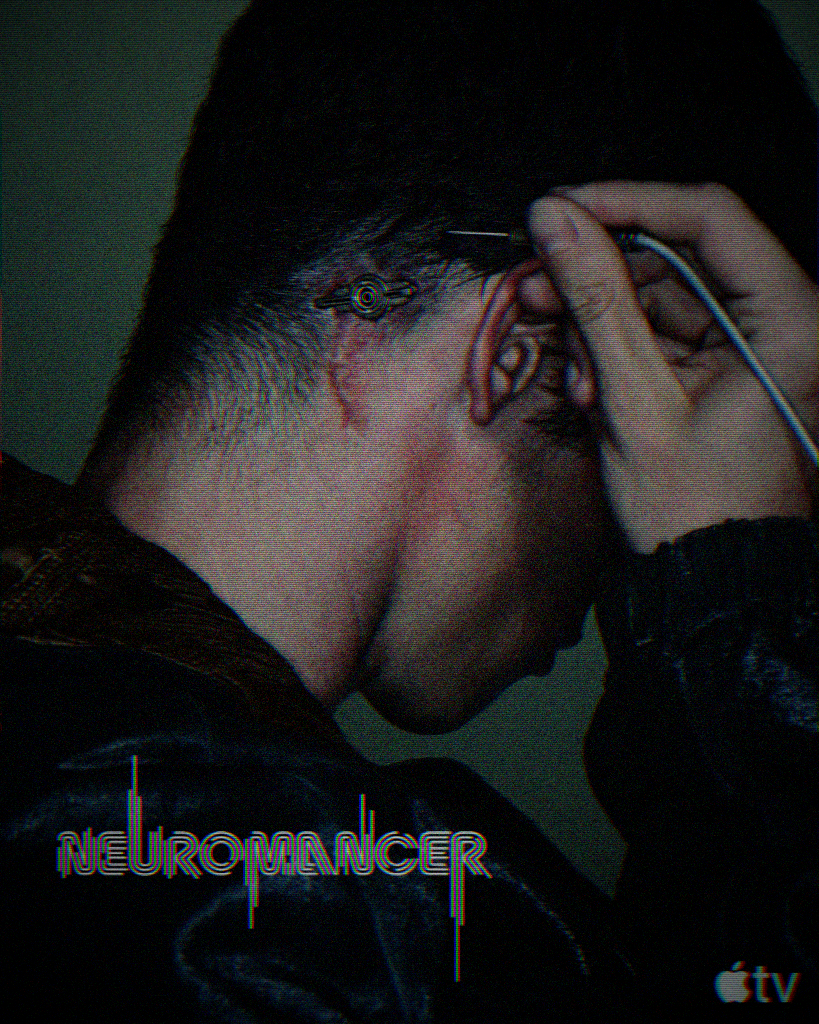
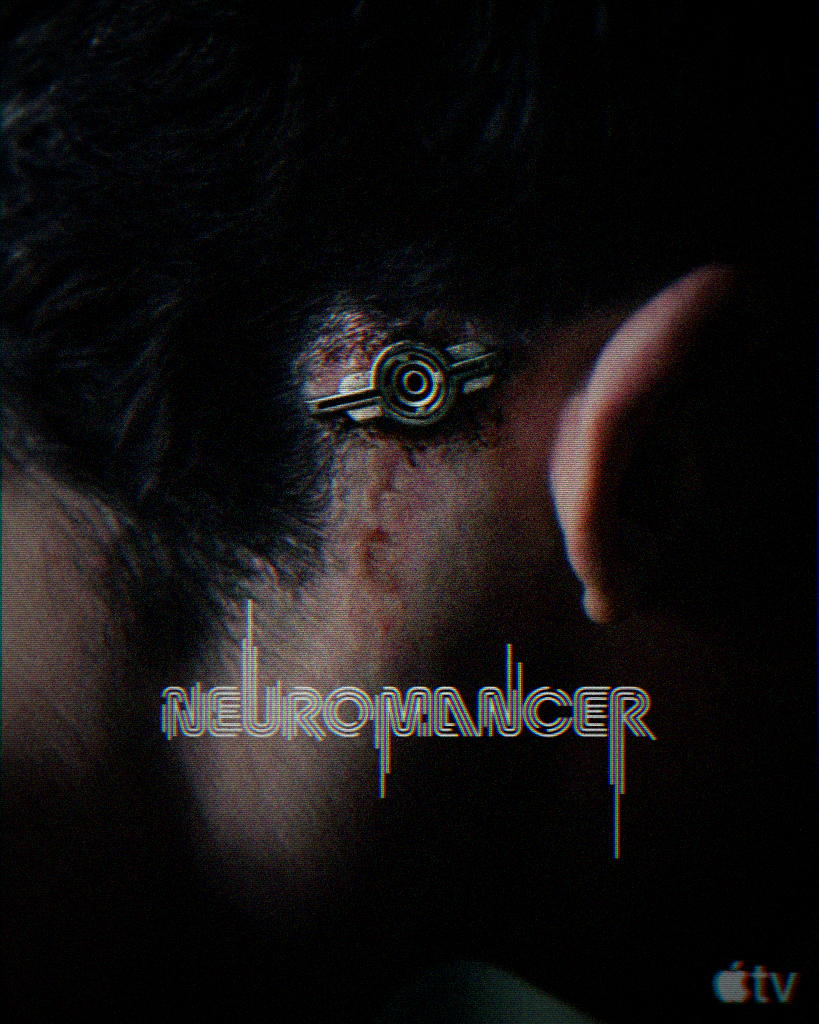
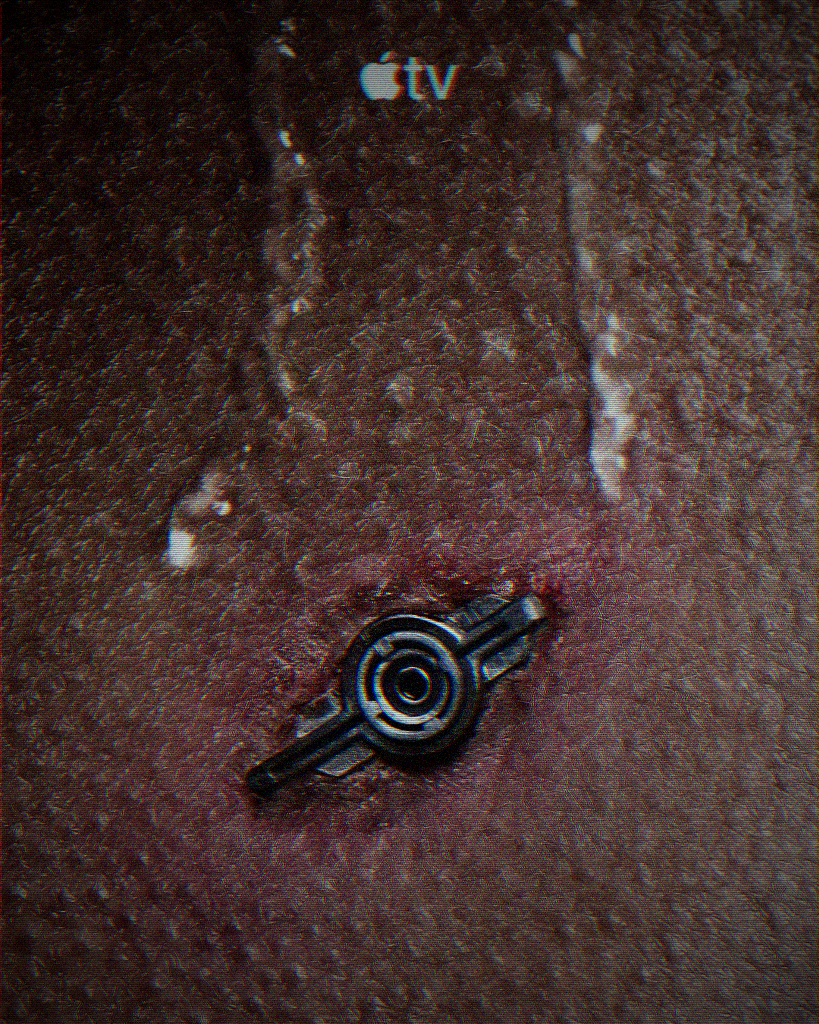
I have been waiting for this moment for a long time.
Apple TV+ just confirmed it is developing a live-action TV series adaptation of Neuromancer — William Gibson’s 1984 novel that literally invented the vocabulary of the internet age. And I am not being dramatic when I say this: it is one of the most important pieces of fiction ever written.
Let me tell you why this matters so much, and why you should care even if you have never heard of the book.
What Is Neuromancer?
Picture this: it’s 1984. The internet as we know it does not exist. Personal computers are just becoming a thing. And one writer — William Gibson, a man who was barely comfortable using a typewriter — sits down and describes a future so detailed, so eerily accurate, that decades later people are still finding new things he got right.
Neuromancer follows Case, a burned-out hacker who once jacked into “cyberspace” — a global matrix of data visualized as neon geometry — until his employers burned out his nervous system as punishment for stealing from them. He’s offered a second chance by a mysterious employer named Armitage, who restores his access in exchange for one last job. Alongside the street samurai Molly Mirrorshades and a cast of unforgettable characters, Case navigates corporate conspiracies, rogue AIs, and the edges of human consciousness.
The book won every major science fiction award that year. It coined the term cyberspace. It predicted the internet, virtual reality, corporate megacities, and the blurring line between human and machine — all before any of that existed.
The YouTube Buzz
If you haven’t seen the conversations already blowing up online, check this out:
The community reaction has been exactly what you’d expect: excitement, anxiety, and a lot of opinions about who should play Molly.
Why Apple TV+ Is the Right Home For This
Let’s be honest — not every studio could pull this off.
Neuromancer is notoriously difficult to adapt. It’s dense. The prose is layered. The world-building is intricate. Previous attempts over the years have all fallen apart in development, and for good reason. This is not a story you can casually throw a budget at and call it a day.
But Apple TV+? They have shown they are serious about prestige sci-fi. Severance. For All Mankind. Silo. These are shows that take ideas seriously, respect their source material, and invest in atmosphere and craft. That is exactly what Neuromancer needs.
And the timing could not be more perfect. We are living in an era of AI anxiety, corporate data dominance, and technological acceleration that makes Gibson’s world feel less like fiction and more like journalism. The themes land differently now than they did in 1984. They hit harder.
How Neuromancer Shaped Sci-Fi Cinema Forever
Here’s the part that I think a lot of people don’t fully appreciate: almost every great science fiction film of the last 40 years has Neuromancer’s fingerprints on it.
The Matrix (1999)
This is the most obvious one. The Wachowskis have directly cited Gibson as a foundational influence. The concept of “jacking in” to a simulated reality, the visual language of code flowing through digital space, the leather-clad street-level aesthetic, the idea that the real world is a bleak wasteland while the mind escapes into something more vivid — that is pure Neuromancer DNA.
Even the name “Matrix” traces back to Gibson’s original concept of cyberspace as a consensual hallucination shared by users worldwide.
Blade Runner (1982)
Interestingly, Blade Runner came before Neuromancer, and both share a common ancestor in Philip K. Dick. But Gibson has spoken about how Blade Runner’s visual language — the neon-drenched mega-city, the rain-soaked streets, the corporate towers looming over poverty — aligned so closely with what he was imagining while writing his novel that he nearly stopped writing, thinking someone had already done it.
The two works essentially co-invented the visual grammar of cyberpunk together.
Ghost in the Shell (1995)
Major Motoko Kusanagi navigating the line between her human consciousness and her cybernetic body — that is a direct conversation with the themes Gibson was exploring. What does identity mean when your mind can be hacked? When your memories might be manufactured? When the self is just software running on biological hardware?
The film’s influence on everything that came after is massive, and it traces a clear line back to Gibson’s ideas.
Strange Days (1995)
Kathryn Bigelow’s criminally underrated film about black-market recordings of raw human experience being played back directly into people’s nervous systems — that is practically a Neuromancer story beat taken from the book and set in Los Angeles.
Minority Report (2002)
The gesture-based holographic interfaces, the targeted advertising that knows who you are before you say a word, the idea that data is the most valuable thing in the world — Spielberg and production designer Alex McDowell spent months studying how future technology might actually work. The result looks like a Neuromancer spin-off.
Ready Player One (2018)
The OASIS is cyberspace with better branding and a more optimistic coat of paint. The entire premise — a virtual world that becomes more real than reality for the people living in it — is a direct descendant of Gibson’s vision.
Tron: Legacy (2010)
The visual representation of a digital world as a physical place you can enter and navigate — neon geometry, programs as people, data as landscape — could not exist without Neuromancer having drawn that map first.
What I’m Hoping the Show Gets Right
There are a few things that, if the Apple TV+ team gets them right, will make this something genuinely special:
The prose tone. Gibson’s writing has a specific energy — dense, cool, slightly alienated. It never over-explains. It drops you into the world and trusts you to catch up. A good adaptation will do the same. No hand-holding exposition. No “as you know, the cyberspace is a digital representation of data nodes across the global network” monologue.
Molly Mirrorshades. She is one of the greatest characters in sci-fi literature. A street samurai with mirrored lenses surgically inset into her eye sockets and retractable razors under her fingernails. She is dangerous, competent, morally complex, and written with real depth. Get her right and you get the whole show right.
The AIs. Wintermute and Neuromancer are not villains in the traditional sense. They have goals, but not malice. They are alien intelligences that think in ways humans can’t quite parse. In the age of actual AI systems that we are living in right now, that portrayal is going to hit differently than it ever has before.
The world. Chiba City. Freeside. The Sprawl. These are fully realized places with history and texture. They need to feel lived-in and layered, not like a video game set.
A Personal Note
I read Neuromancer for the first time when I was a teenager, staying up until 3am in a room lit only by my monitor, and it felt like someone had handed me a map to a world that was somehow already familiar even though I had never been there.
It changed the way I thought about technology. About the internet. About where all of this was going.
Seeing it finally get a proper adaptation — on a platform that takes this kind of thing seriously — feels like a moment I have been waiting for without knowing I was waiting for it.
I am genuinely excited. And a little nervous. But mostly excited.
If you haven’t read the book, go read the book. Then come back here and be excited with me.
> GUESTBOOK LOG
> Fetching terminal logs...